Illinois deer season 2026-27: guns, permits and dates
Illinois produces some of the heaviest whitetails in the Midwest, and it does it with a short, intense firearm season rather than the month-long rifle seasons you see west of the Mississippi. Understanding the calendar and the legal-firearm list matters more here than almost anywhere else, because the rules are narrow and they changed in 2023. This guide covers the 2026-27 season as published by the Illinois Department of Natural Resources in September 2026. Confirm dates in the current digest before you hunt.
The 2026-27 season dates
The first firearm deer season runs November 20, 21 and 22, 2026. The second firearm season runs December 3, 4, 5 and 6, 2026. The muzzleloader-only season runs December 11, 12 and 13, 2026. Archery season opens on October 1 and runs into January with a pause during the firearm seasons, and the state also holds late-winter antlerless and chronic wasting disease seasons in selected counties in January. The counties that get those extra seasons change from year to year, so check the current IDNR list rather than assuming last season's counties.
What is legal during firearm season
Illinois does not allow ordinary repeating rifles for deer. The legal list is a shotgun of 20 gauge or larger firing a single slug, a muzzleloading rifle of .45 calibre or larger, a qualifying handgun, or a single-shot centerfire rifle that meets the 2023 rules. Fully jacketed or non-expanding bullets are not allowed. Blaze orange or blaze pink is required during firearm seasons: a cap plus an upper garment showing a solid block of the colour.
The handgun option is narrower than most people expect. It covers centerfire single-shot or revolver handguns of .30 calibre or larger with a minimum barrel length set by rule, and it is tied to holding a firearm deer permit. Read the current regulations closely before you rely on it.
The single-shot centerfire rifle rule
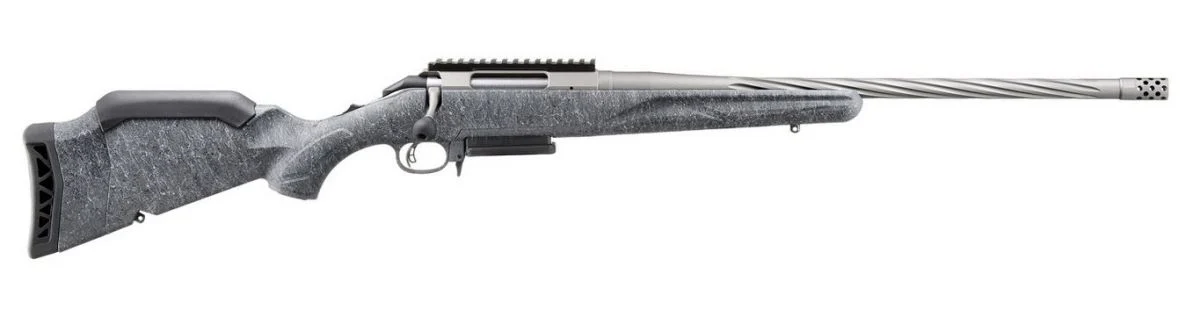
Since January 1, 2023, Illinois has allowed single-shot centerfire rifles for deer. The cartridge must be either a bottleneck centerfire case of .30 calibre or larger with a case length no longer than one and two-fifths inches, or a straight-walled centerfire case of .30 calibre or larger. Factory loads must produce at least 500 foot-pounds of muzzle energy, and full metal jacket ammunition is prohibited.
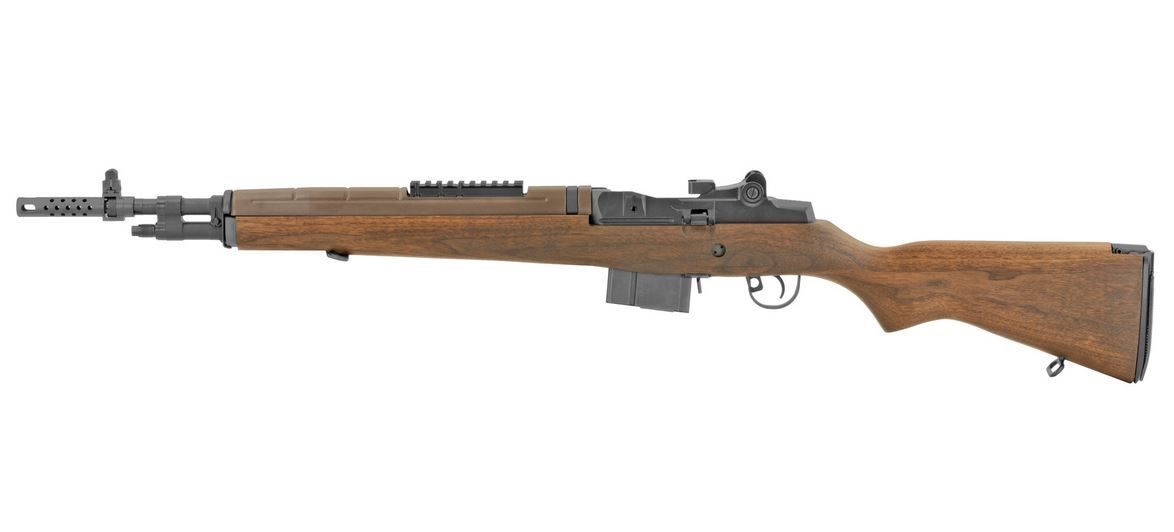
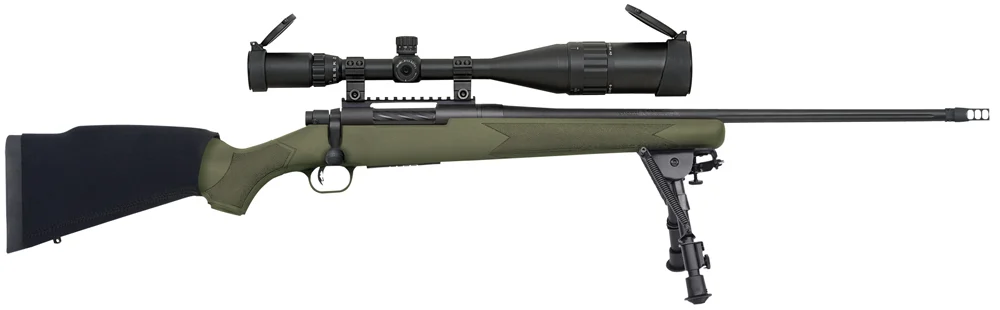
The rifle itself must be manufactured or modified so that it can hold only one round in the magazine and chamber combined. A bolt, lever, pump or semi-automatic rifle can qualify if it has been properly modified, for example by removing a detachable magazine, blocking a tube magazine or fitting a zero-capacity magazine, and you may not have a magazine or other feeding device with you that would return it to repeating function. Break-action single shots avoid the question entirely.
Cartridges that hunters commonly use under this rule include the .350 Legend, .400 Legend, .360 Buckhammer, .450 Bushmaster, .444 Marlin and .45-70 Government. The IDNR publishes a reference list of qualifying cartridges and updates it, so check the current list before you buy a rifle for this season. You can browse the straight-wall chamberings and slug guns in our catalogue.
Slug guns still do most of the work
A rifled-barrel 12 or 20 gauge with a quality sabot slug and a low-power scope remains the standard Illinois deer gun, and it is the most forgiving choice for the short November season in timber and brushy creek bottoms. Fully rifled barrels shoot sabots well out to 150 yards or more; smoothbores with rifled chokes are a shorter-range proposition with Foster slugs. Pattern and zero before the opener, because slug loads vary enormously between brands in the same barrel.
For December muzzleloader days, a .50 calibre inline with a 209 primer, a saboted bullet and a weather-proof method of keeping the charge dry is the practical setup. Cold, wet weather is the norm by the second week of December.
Optics matter less than most buyers assume for a three-day season in Illinois timber. A fixed 4x or a 1-6x or 2-7x variable with a large exit pupil beats a high-magnification scope when a deer steps out at 40 yards in the last ten minutes of legal light. Slug guns and straight-wall rifles both recoil sharply, so choose a scope with generous eye relief and mount it far enough forward. Sight in from a bench with the exact load you will hunt, then confirm from field positions.
Permits, counties and quotas
Illinois issues firearm deer permits by county, not by zone, and each county has a quota. Residents apply through the IDNR lottery in a series of draws through the summer and autumn, with leftover permits sold over the counter afterwards. Non-residents apply on a separate, smaller allocation. Landowners who meet the acreage rules can obtain landowner permits for their own ground. Check your county's remaining leftover permits if you missed the draws; southern and western counties often still have antlerless permits available into November.
Where you hunt shapes what you buy. Southern counties such as Jackson around Carbondale have big blocks of Shawnee National Forest, Vermilion County near Danville has Middle Fork and Kickapoo, and the Illinois River counties combine timber with waterfowl ground. Our city pages list the nearest public sites county by county, including Carbondale and Springfield.
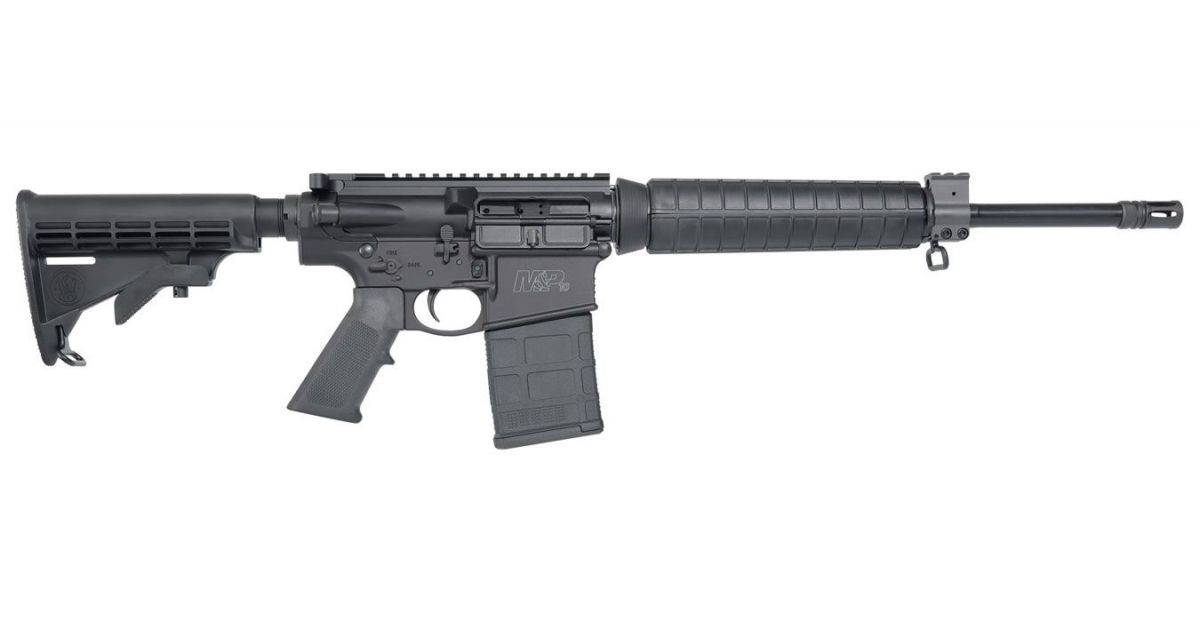
One more caution: the Protect Illinois Communities Act restricts many semi-automatic rifles and shotguns, and it does not carry a general hunting exemption. Ordinary hunting shotguns and bolt rifles are unaffected, but before you order a semi-automatic, read the Illinois gun laws guide. Carry rules in the field are covered in the carry licence guide.
General information, not legal advice. Current as of September 2026. Laws change; check the official source before you act.